Before and after
The shift in operating model, in three and a half minutes.
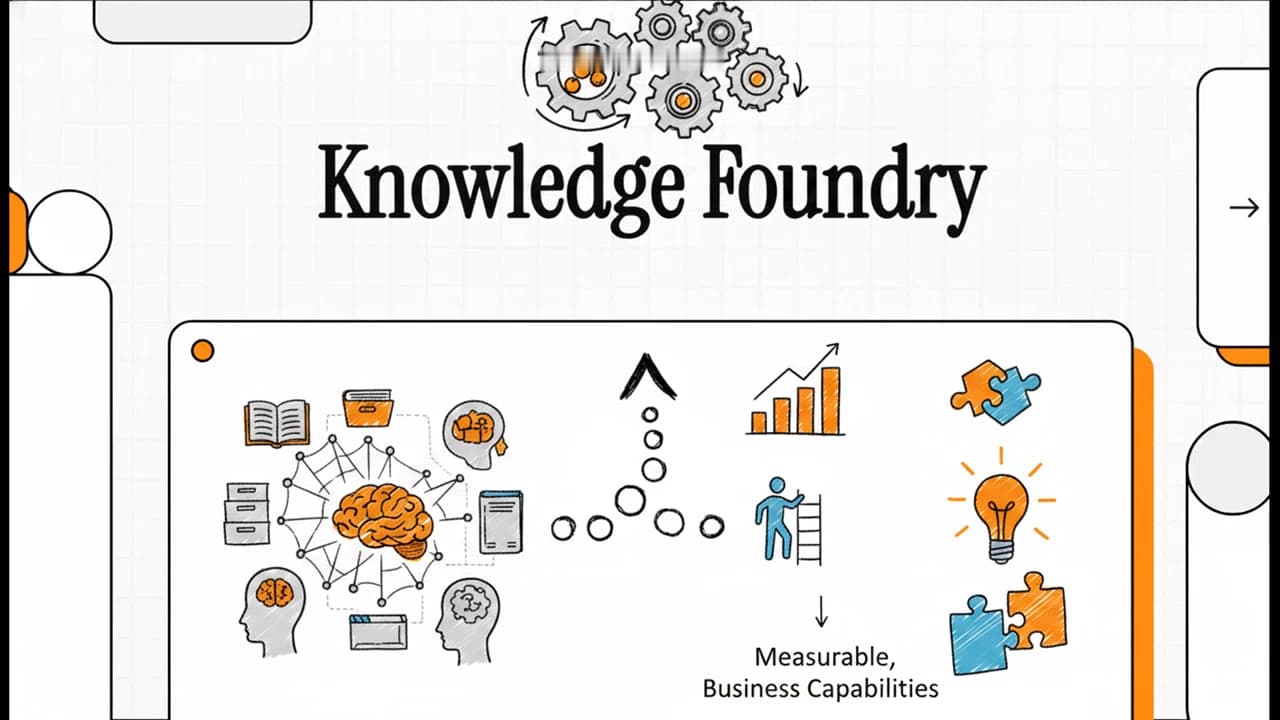
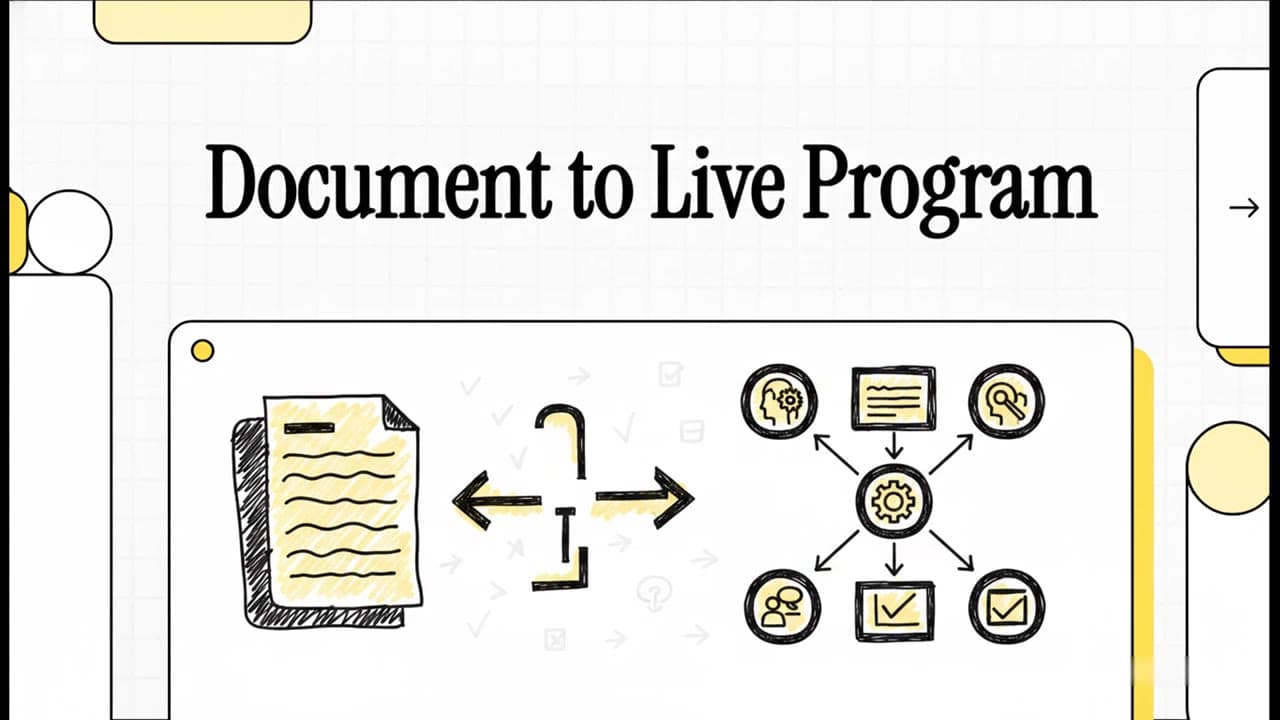
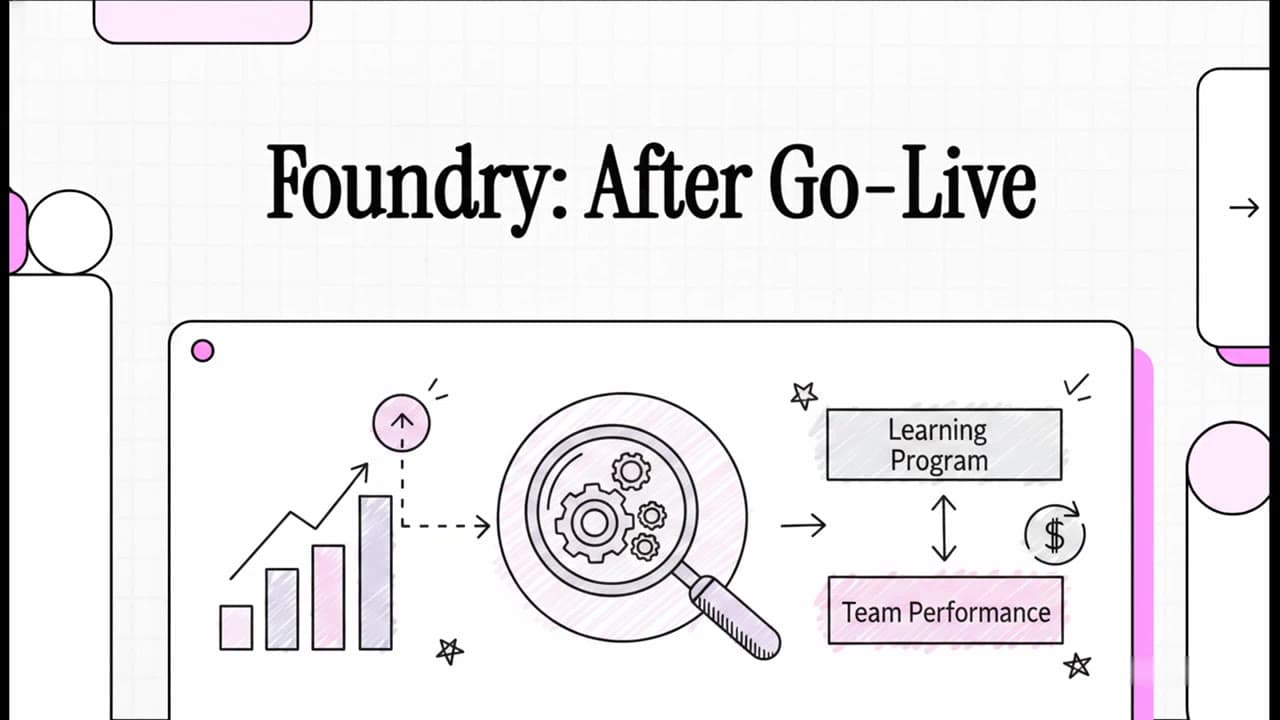
Compares knowledge transfer before and after Knowledge Foundry. Describes the old model of expert dependency, static files, and informal approvals with little visibility, then the new model: producing programs from existing documents, a real review path, evidence kept with each program, and cohort metrics, all managed as a visible portfolio.
Next: From a document to liveTranscript
Generated from the video's narration and lightly edited for readability.
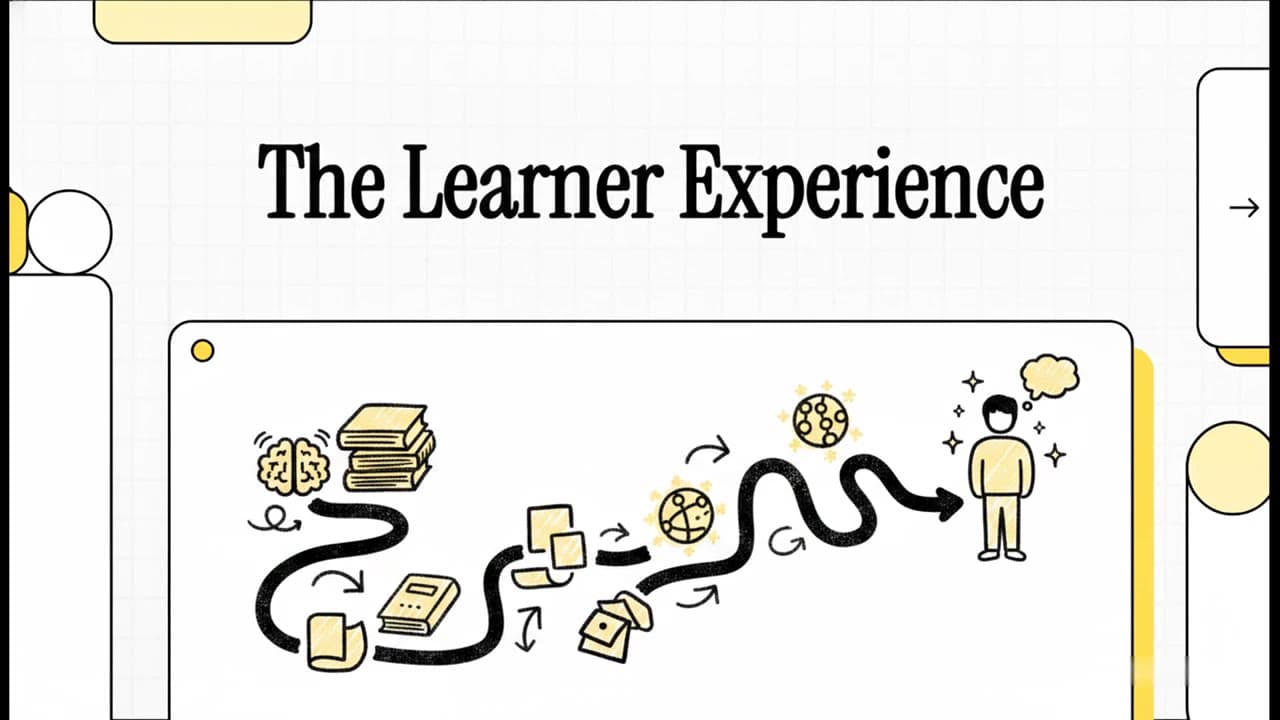
0:00Let's dive right into a fundamental shift in how businesses operate. Today, we're looking at a before and after explainer of knowledge transfer. We're skipping the tech jargon today and focusing purely on the day-to-day business reality, what it actually takes to get critical information out of your experts' heads and into the hands of your team. So ask yourself for a second, where does your critical knowledge actually live right now?
0:24Think about your organization's person risk. In so many businesses, crucial know-how is trapped with just a handful of absolute experts. And what happens when they inevitably take a vacation, leave, or retire? The entire capability of your team wobbles. And the fragmented status quo we rely on to fix this? Well, it carries some serious hidden dangers. Sure, you probably have massive piles of PDFs, standard operating procedures, and slide decks sitting on a drive somewhere. But here is the reality. Those static files do not teach at scale.
0:56They preserve information, sure, but they don't transfer knowledge. Add in the fact that approvals usually happen informally, just buried in random chat messages or email threads, and you're left with a highly fragile system. The ultimate failure of that old model boils down to this harsh truth. After training is supposedly done, nobody is actually sure who completed what or whether anything truly transferred. You have practically zero visibility.
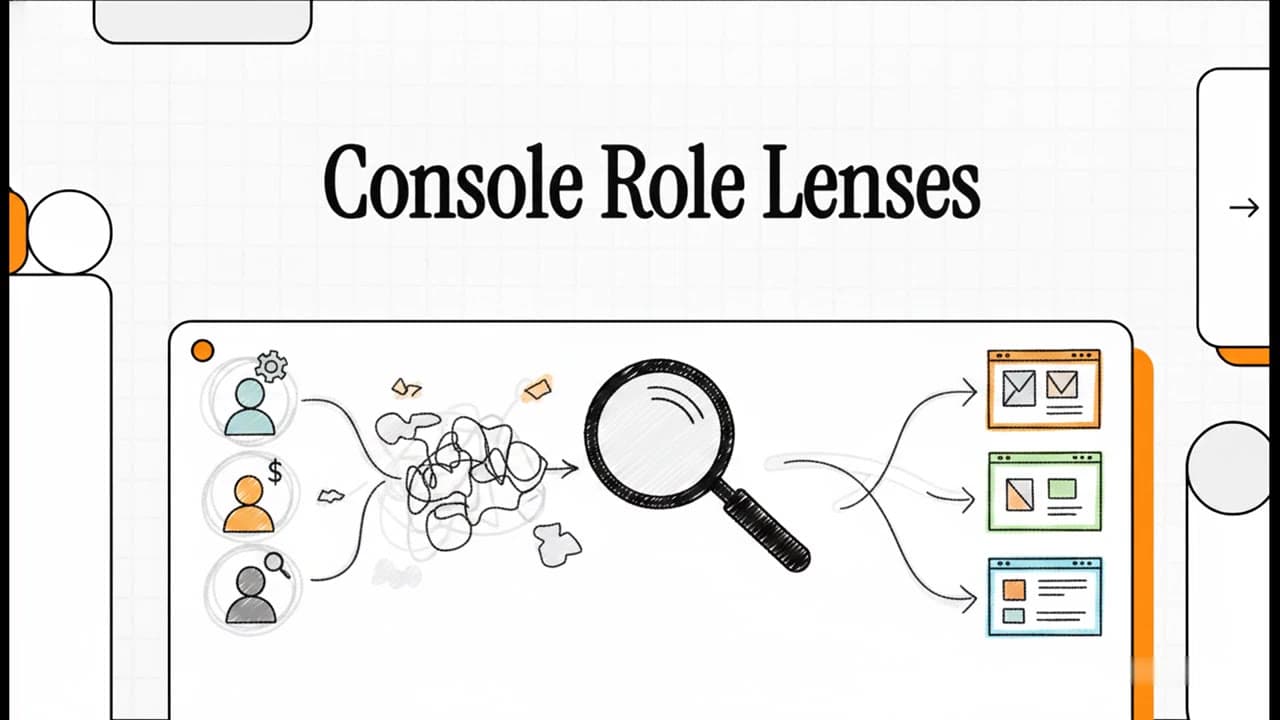
1:22Every single training initiative basically turns into a giant guessing game. So how do we fix it? We need a massive paradigm shift. We have to move away from person risk, folder risk, and frankly, just hoping that knowledge transfers. Instead, we need to treat knowledge as a managed portfolio backed by hard evidence, making the release of information a deliberate, trackable decision using a connected operating console. The after state begins incredibly simply.
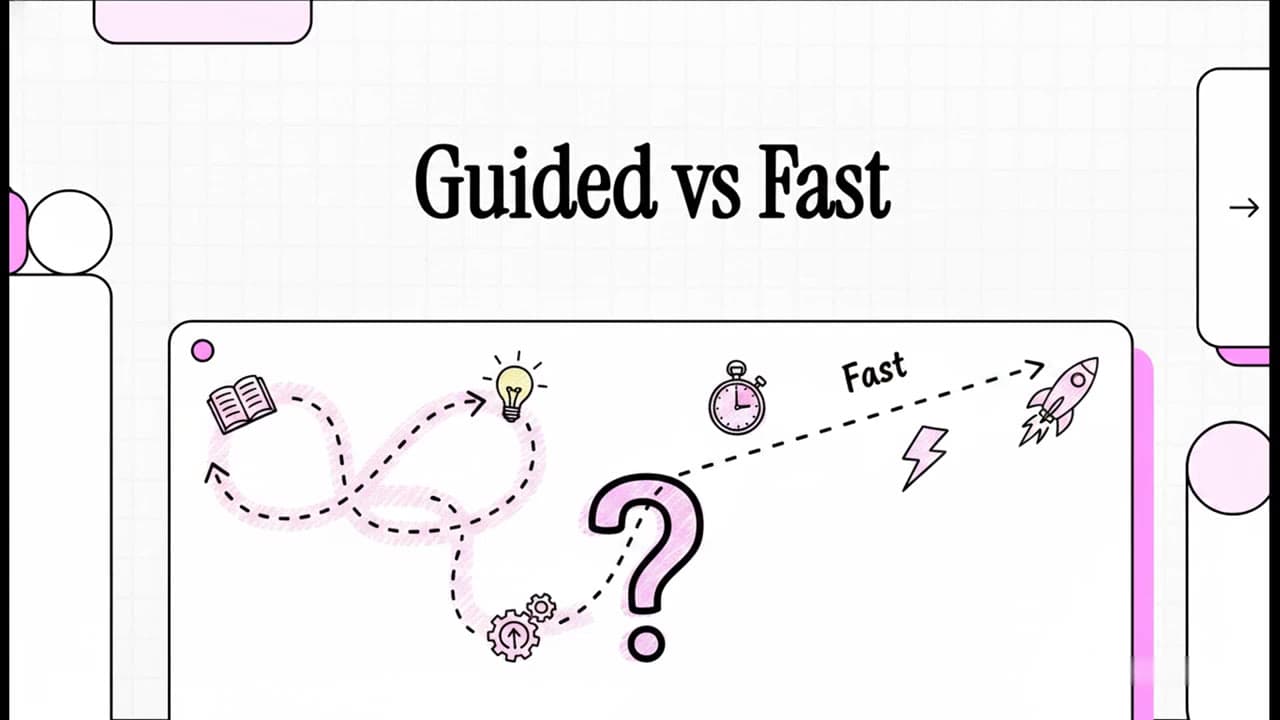
1:50You start right from the materials you already have, often just a standard text document, and you produce a structured learning program out of it. During the build, you just choose how much staging you want, opting for either a fast or guided path. But the main takeaway is that you are instantly turning static files into actionable programs. This fresh approach builds into the core Knowledge Foundry cycle, giving you a totally new engine for your operating model.
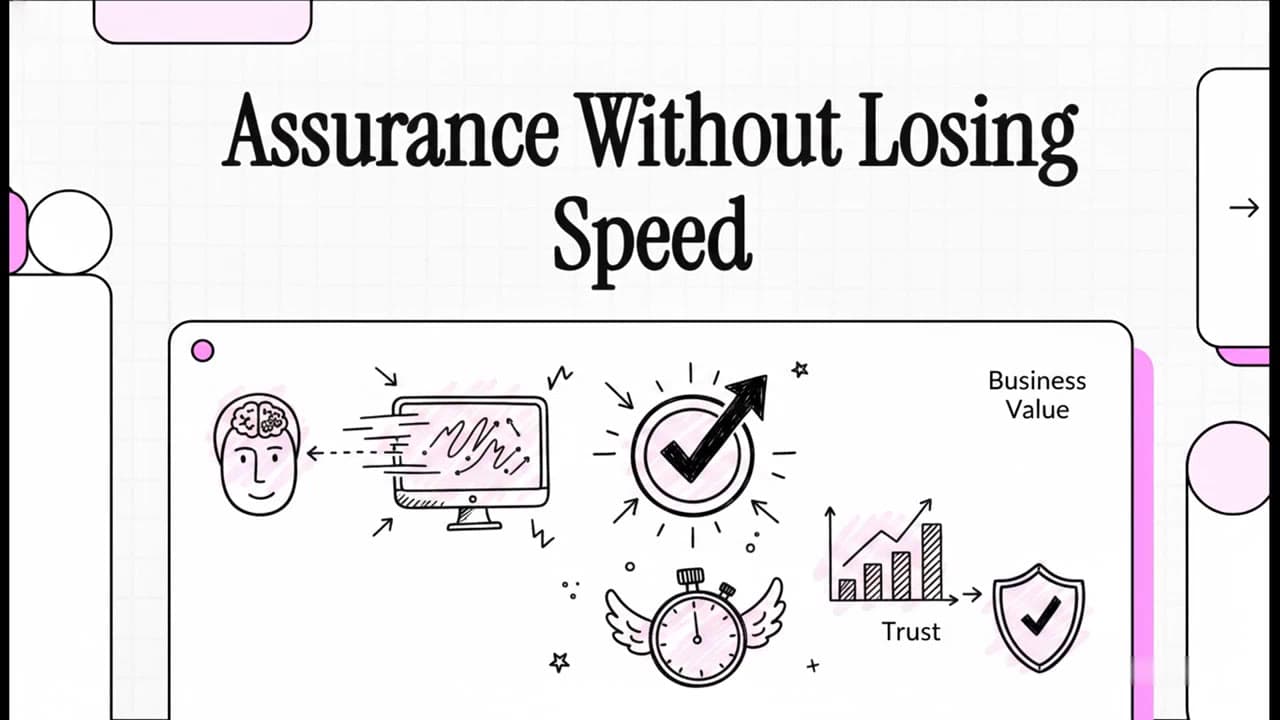
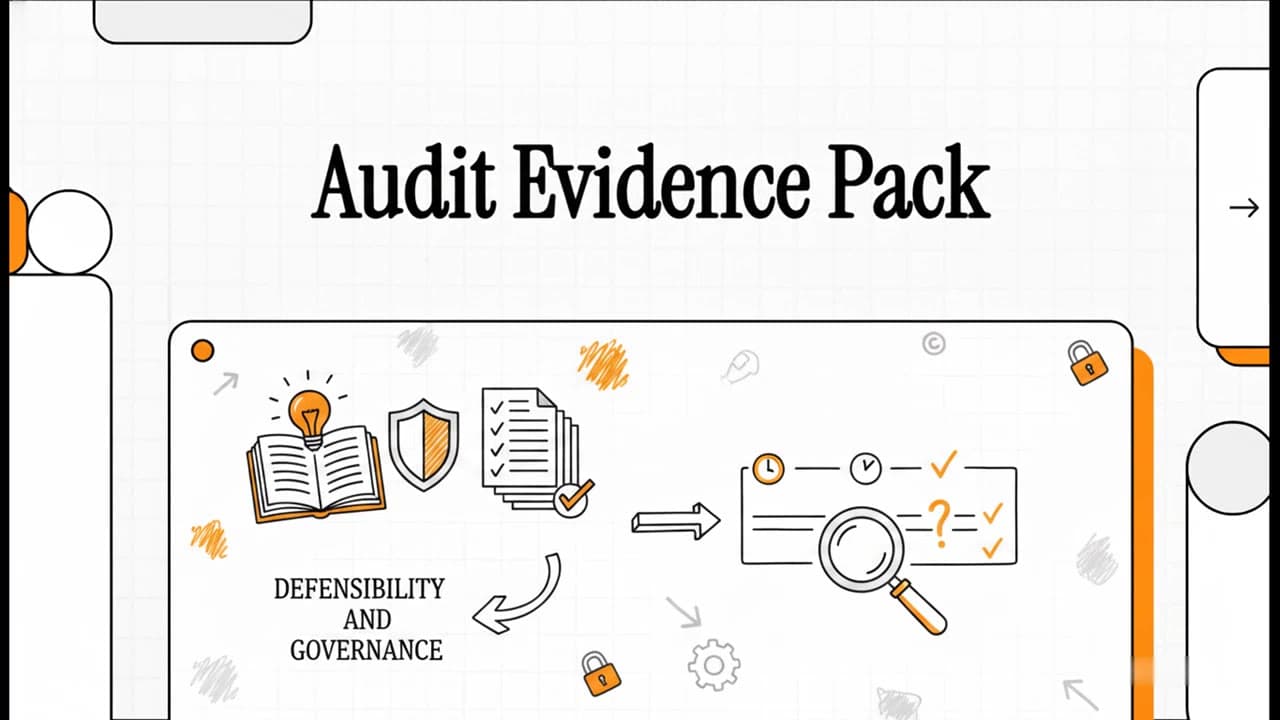
2:15First, you produce. Second, you assure it goes through a real review path. Third, evidence. And fourth, you measure. This lifecycle visibility is an absolute game-changer. Leadership can finally manage knowledge just like a clear portfolio. You can see exactly what is building, what is awaiting publish, and what is live. And because the evidence stays directly with the program, if you ever need to explain who learned what to an auditor, you don't have to go doing email archaeology to find out. Plus, cohort learning metrics actually prove whether transfer is happening in real time.
2:47Now, I really wanna make sure this point lands. The shift here is not, hey, we bought a cool new authoring feature. We aren't pitching a gadget or taking you on a deep UI tour. We are talking about a fundamental operating model shift for how your business handles its absolute most valuable asset.
3:05Let's leave it on this powerful takeaway. The real shift is that knowledge transfer becomes a managed cycle. Produce, assure, evidence, measure. It gives you the control and visibility you actually need. My goal here was for you to walk away from this short explainer saying, I get the operating shift in under three minutes. So look at your own organization today. Are you operating on hope or are you operating on evidence?
More explainers
Start here
See it work
Trust and control
Prove value
Go deeper
Bring a subject. Leave with a framework.
A 45-minute working session with our team on a real subject or program you own. You see the system operate on your material, and you keep the framework it produces.
We reply within one business day.