Platform overview
What Knowledge Foundry does, and the business outcomes it creates.
Explains Knowledge Foundry as an operating cycle for turning knowledge trapped in experts and documents into structured learning. Covers its four pillars: producing programs from a brief and a source document, assuring them through human review and sign-off, evidencing them with an audit pack, and measuring cohort uptake and activity after publish.
Next: Before and afterTranscript
Generated from the video's narration and lightly edited for readability.
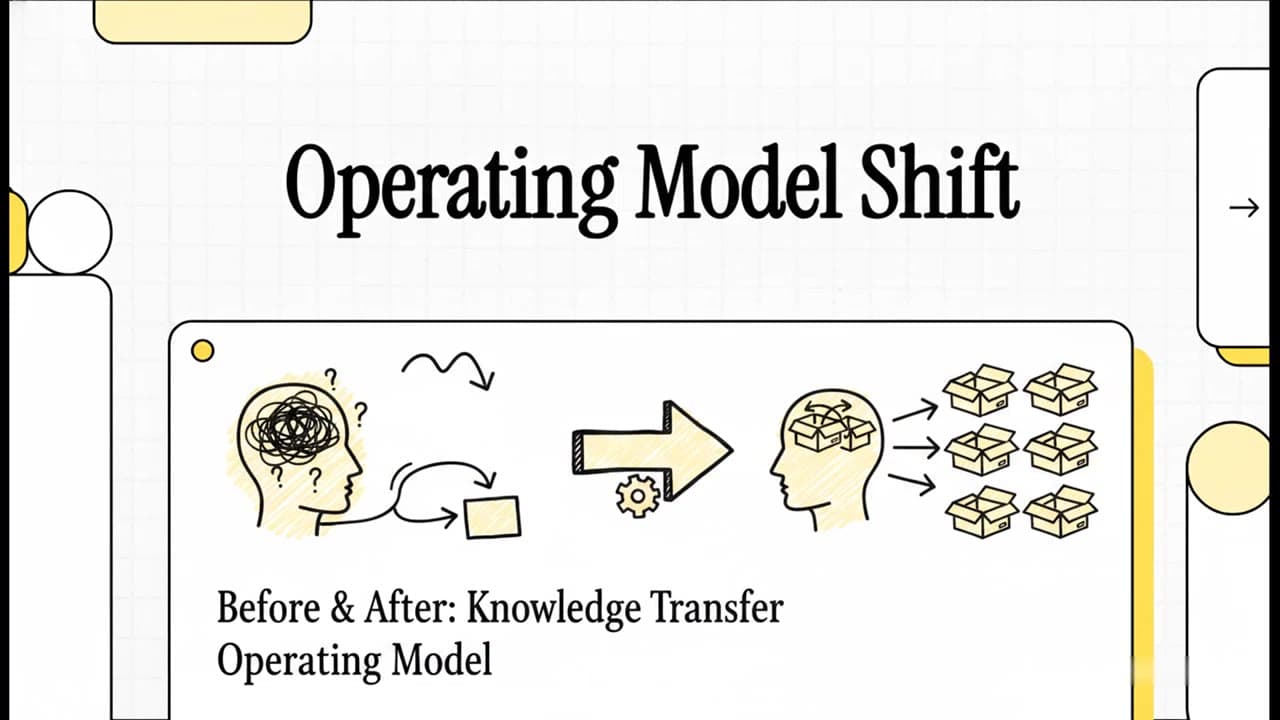
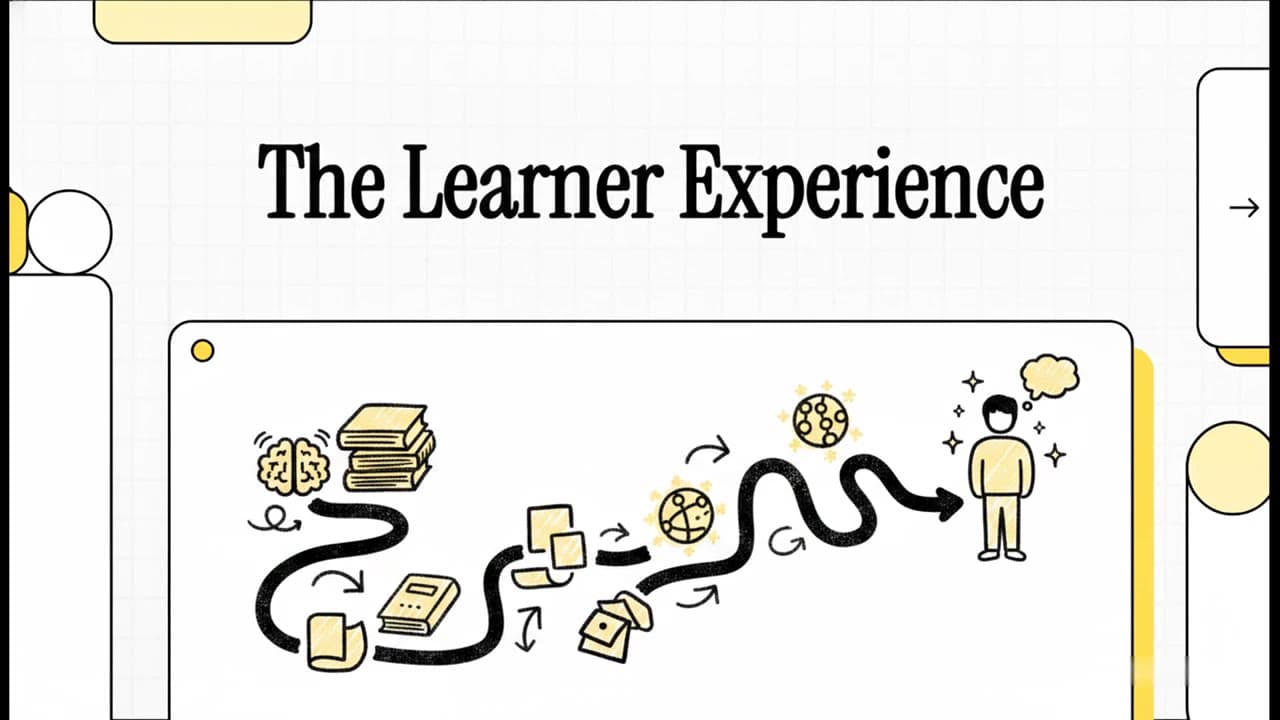
0:00Hey there and welcome to this explainer. Today we're diving into something pretty fascinating called Knowledge Foundry. Now we're not going to look at this as just another piece of software. Instead we're looking at it as a complete operating cycle. Its main mission? To take all that incredibly valuable but stubbornly trapped knowledge sitting inside your organization and literally transform it into measurable transferable business capabilities. Let's be real for a second. What actually happens when your top expert walks out the door or even just takes a three-week vacation? Every single organization relies on knowledge that is frankly, dangerously, unevenly distributed. We're talking about critical know-how locked inside the heads of a few key people. Or maybe it's buried deep in dense PDF policies, outdated slide decks, and those forgotten standard operating procedures.
0:50When knowledge is trapped like that, your business performance becomes incredibly fragile. Onboarding new team members? Painfully slow. Quality control? Totally inconsistent. You're basically entirely dependent on who happens to be on the clock that day. And look, we all know the traditional learning model. It's slow, right? It creates this massive bottleneck because it relies on borrowing a busy subject matter expert's precious free time. And when the training is finally done, it's super hard to evidence or even measure if it worked. What we actually need is scalable, consistent knowledge transfer. A system where expertise doesn't hinge on one person's teaching style or their calendar availability.
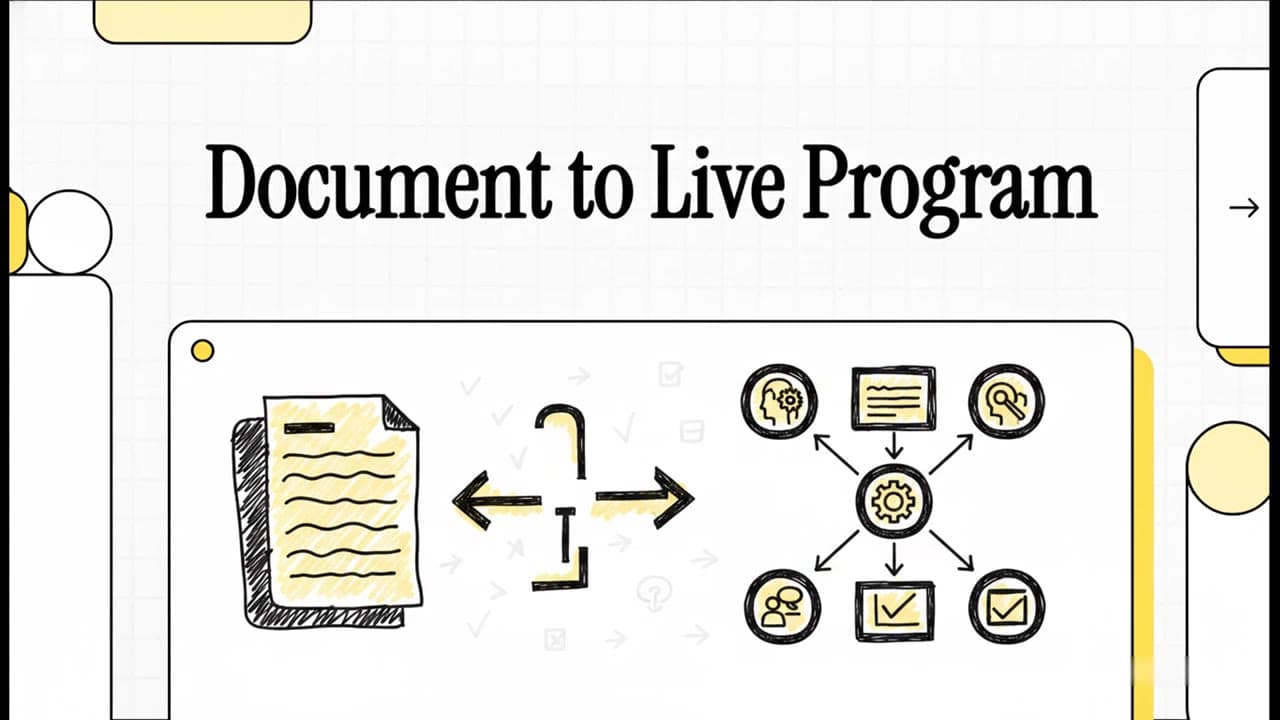
1:28We really need a way to take what the business already knows and turn it into structured learning that people can actually absorb. So here's our roadmap to get there. Knowledge Foundry operates on four connected pillars. Produce, assure, evidence, and measure. We'll walk through this exact cycle right now. Number one, produce, documents to learning. Let's get right into how we turn everyday documents into structured learning. The absolute best part of this production phase is how simple the starting line is. You really don't need to spend six months building a massive, pristine library of content before you can even begin. No way. In the Knowledge Foundry Studio, your starting point is usually just a brief and a basic source document. Honestly, a single document, like an existing policy, a playbook, or an expert's write-up, is perfectly enough fuel to get going. From that one piece of everyday material, the platform shapes a fully structured learning program, complete with chapters, lessons, and assessments. That critical knowledge moves out of a forgotten folder and into a teachable format, way faster than traditional course building could ever manage.
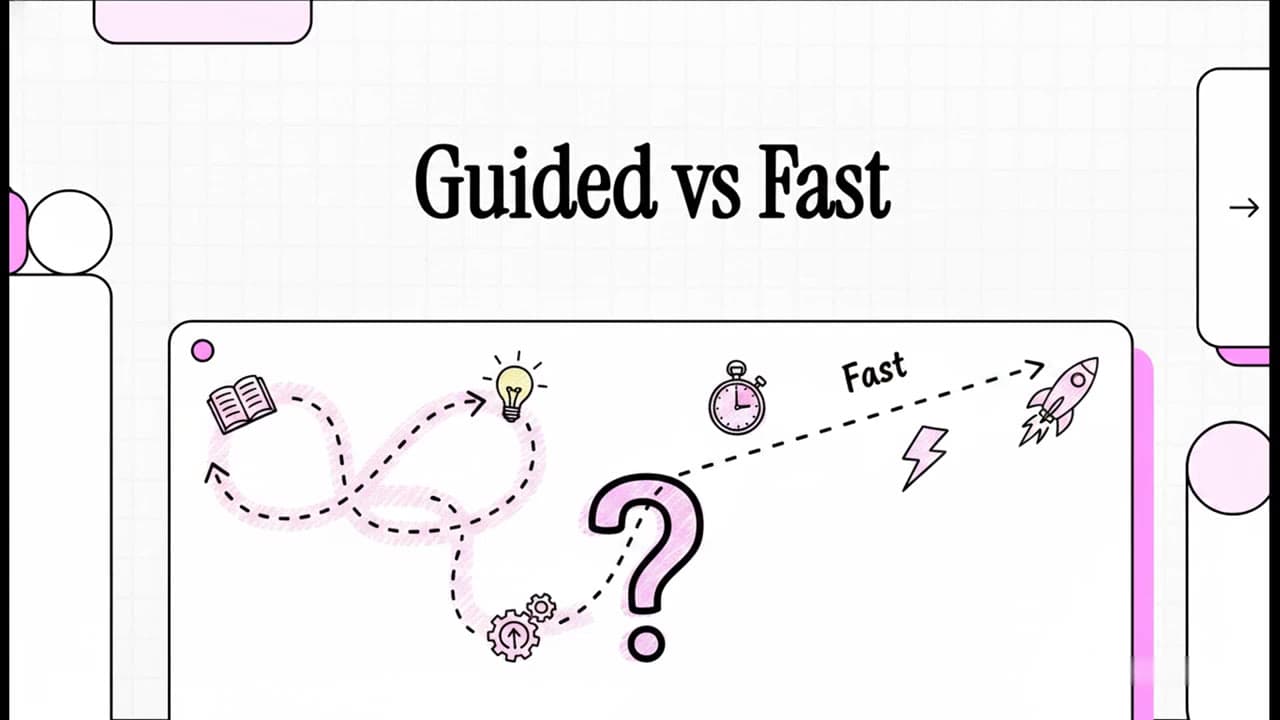
2:30Now, when you're shaping this content, you've got two main paths, guided and fast. And I want to be crystal clear about something right off the bat. The fast path is not some throwaway draft mode. It's definitely not just for junk pilot content. Fast is a powerful engine for accelerated, autonomous course creation, and tons of fast programs go straight into review and become real, live programs. Guided on the flip side just adds more staged design and human checkpoints along the build process. So the choice between them isn't about real versus fake courses. It's simply about staging depth versus speed. How much human touch do you want while it's building?
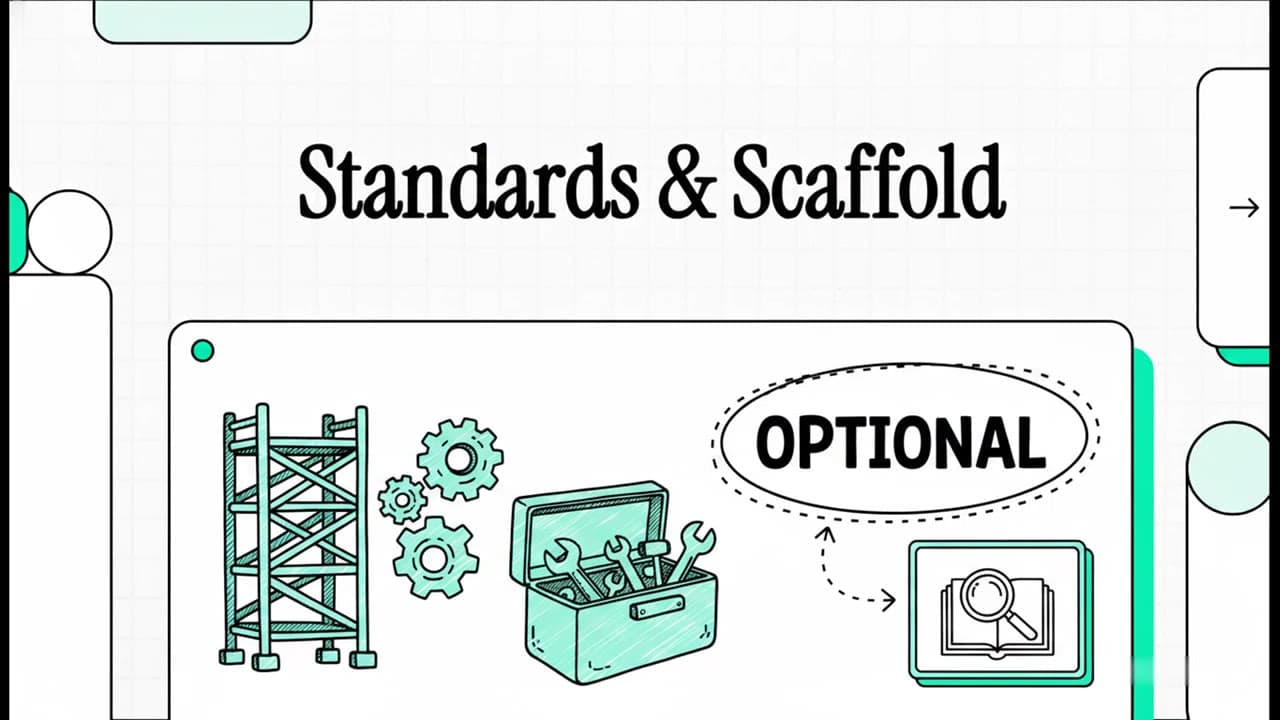
3:06You just pick the path that fits the risk and complexity of your material. You know, you might be wondering about your existing corporate standards. If your organization already relies on formal standards frameworks or knowledge scaffolds, you can absolutely attach them to make that alignment explicit. But actually, scratch that. They are entirely optional side notes. Most teams literally won't ever need them to get immediate, massive value from the platform.
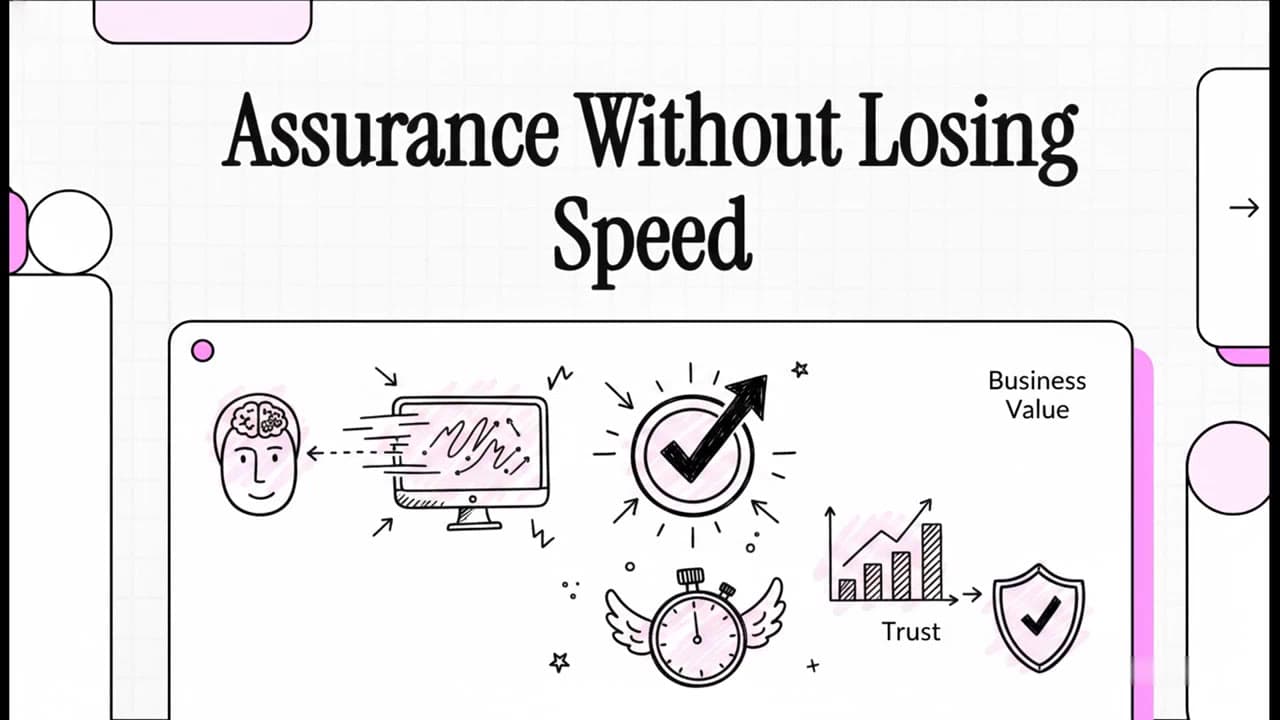
3:27The default path is just your brief and your documents, and that works beautifully. Alright, moving on to number two. Assure. Control before release. Because let's face it, generating learning at warp speed is totally pointless if you can't trust what's going out the door. Moving fast absolutely does not mean silent, auto-publishing chaos with zero accountability. Instead, all content passes through strict human assurance gates. Before anything goes live, it hits a review queue.
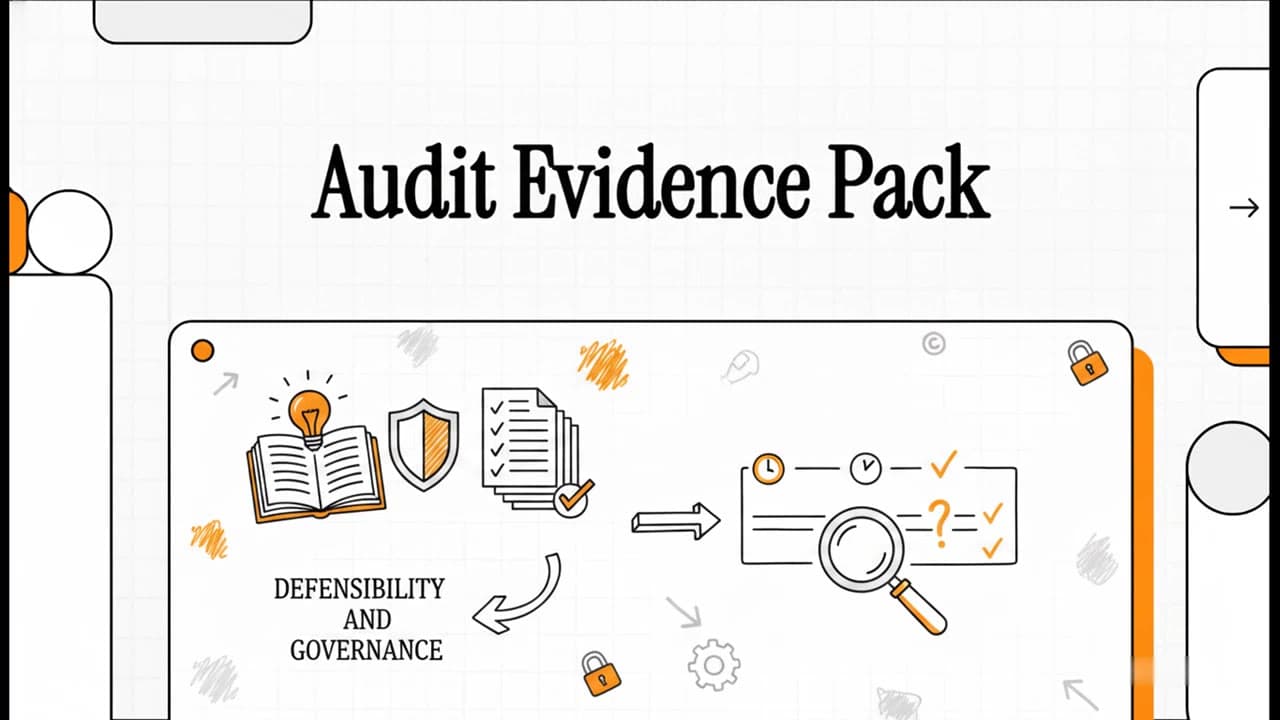
3:55Real humans review the structure and the lessons. You can approve it, kick it back, or make surgical human edits right inside the governance loop. Finally, it goes through a finalized step and an executive sign off. Leaders actually get a deliberate formal release path rather than just an informal sign off in a chat app. Humans remain 100% accountable for exactly what goes live. Which brings us to number three. Evidence. Explain what you built. This phase is what really elevates the whole system into a true operating console. Every single program generates what's called an audit pack.
4:27Now, don't worry, this isn't some boring financial tool. It's a completely transparent trail of evidence. If leadership or compliance stakeholders come knocking six months from now asking what exactly this program teaches and why on Earth it was approved, you don't have to go digging through old emails like some digital archaeologist. The audit pack gives you a portable, inspectable record of the learning design, the assessment logic and the exact governance provenance of who signed off on it and when.
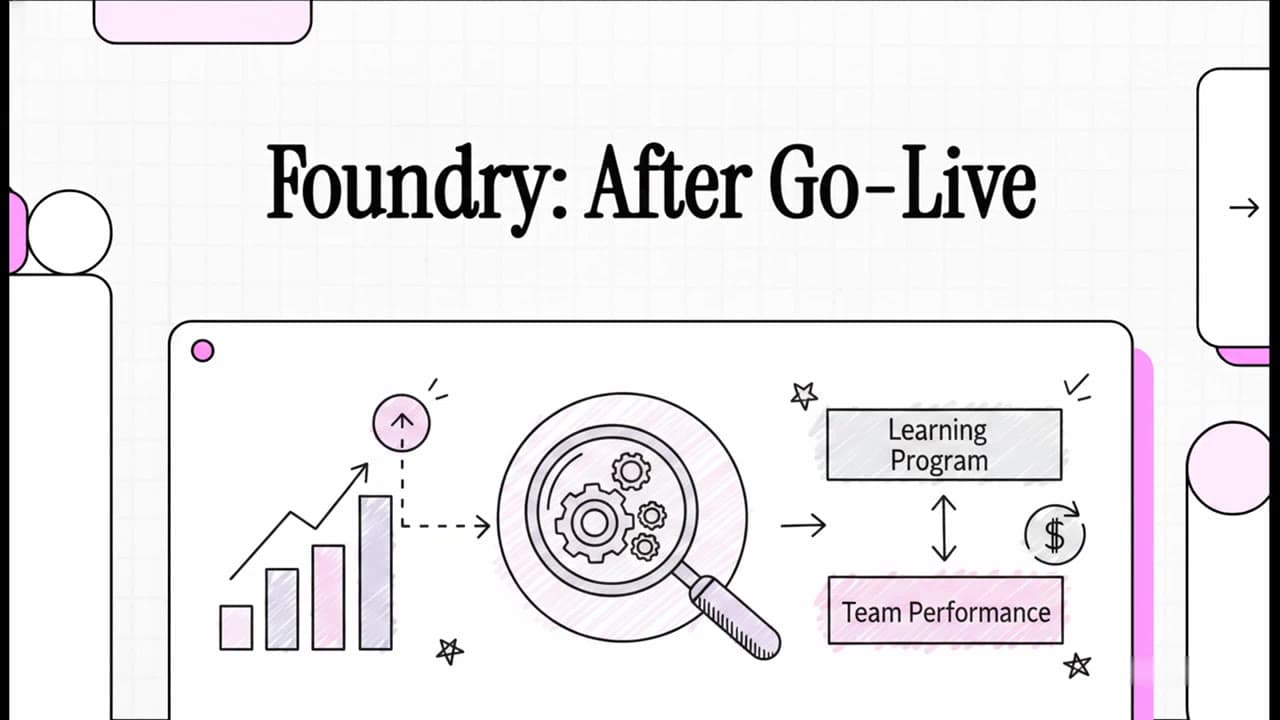
4:52Your programs become totally inspectable, not mysterious black boxes. And finally, number four, measure. Prove transfer after publish. Because just clicking publish isn't the finish line, right? Look at how directly we map business needs to platform capabilities and actual outcomes here. If the business needs to know if the knowledge transfer actually worked, well, the learning analytics give you clear evidence of cohort progress and uptake, you aren't just crossing your fingers and hoping people learned.
5:20You have the hard data. Need to spot operational bottlenecks? The oversight capability gives you full visibility into rosters and activity. You see exactly who did what so you can manage that knowledge transfer based on actual facts, not just gut feelings. And to manage all this at scale, you get a lifecycle portfolio view right from your home screen. This organizes your entire learning portfolio by its exact state. Building, awaiting publish, editing live, and live. It gives leadership this crystal clear high level operational picture. You're no longer staring at a messy shared drive of files, you're managing a living breathing pipeline of organizational capability with really clear boundaries between works in progress and live content. Now as we wrap up you might have noticed something missing from this explainer today. We didn't talk about APIs, token costs, AI model architectures, or any of the technical plumbing under the hood. And that was 100% on purpose. If you evaluate a system like this purely on its technical engine, you completely miss the point. The focus here is all about core business outcomes, faster capability transfer from existing documents, controlled release with real human accountability, explainable evidence, and measurable results. It's an integrated operating cycle built to solve a very real business problem, not just a technology problem. So, I'll leave you with this final thought. Are you just generating lessons, or are you actually transferring knowledge? Because, honestly, there is a massive difference. Knowledge Foundry isn't just some shiny gadget to spin up text.
6:48It's a comprehensive operating console that unlocks all that trapped expertise in your business, puts it through rigorous review, and ensures it actually lands with your teams. It takes you from a stagnant document to a fully measurable business outcome. Thank you so much for joining me for this explainer. I really hope it's left you eager to look at your own organization's trapped knowledge in a completely new light.
More explainers
Start here
See it work
Trust and control
Prove value
Go deeper
Bring a subject. Leave with a framework.
A 45-minute working session with our team on a real subject or program you own. You see the system operate on your material, and you keep the framework it produces.
We reply within one business day.